Health Blog
The Importance of Physical Therapy in Rotator Cuff Tear Treatment
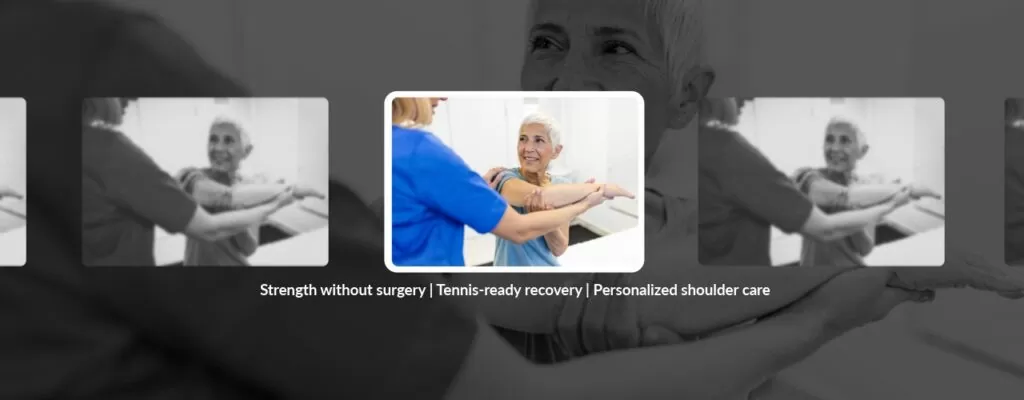
When Julie (not her real name) first came to , she had been struggling with shoulder pain that would not go away. An MRI confirmed a partial tear in her rotator cuff. She was hesitant about surgery and unsure of what her next steps should be. Like many patients exploring rotator cuff tear treatment, Julie was looking for a solution that would reduce pain, restore her function, and help her avoid invasive procedures.
Read full blogPost-Surgical Swelling Management with Physical Therapy
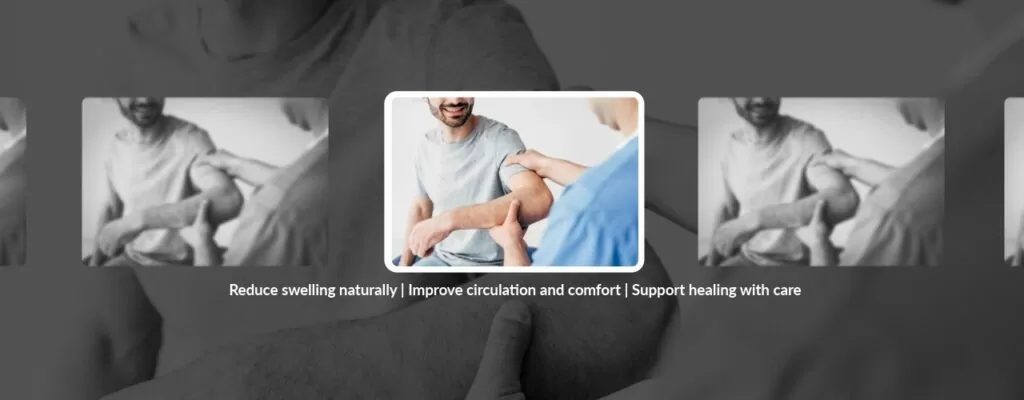
After surgery, swelling is a common and natural response to healing. While some inflammation is necessary for tissue repair, excessive or prolonged swelling can delay recovery and increase discomfort. That is why post-surgical swelling management is a key focus during rehabilitation. Physical therapy offers effective, non-invasive strategies that reduce swelling, restore mobility, and promote circulation.
At , we help patients understand and manage swelling through hands-on care, personalized exercises, and guided self-care strategies that support healing at every stage.
Read full blogHow to Handle Fractures in Sports: Treatment and Prevention
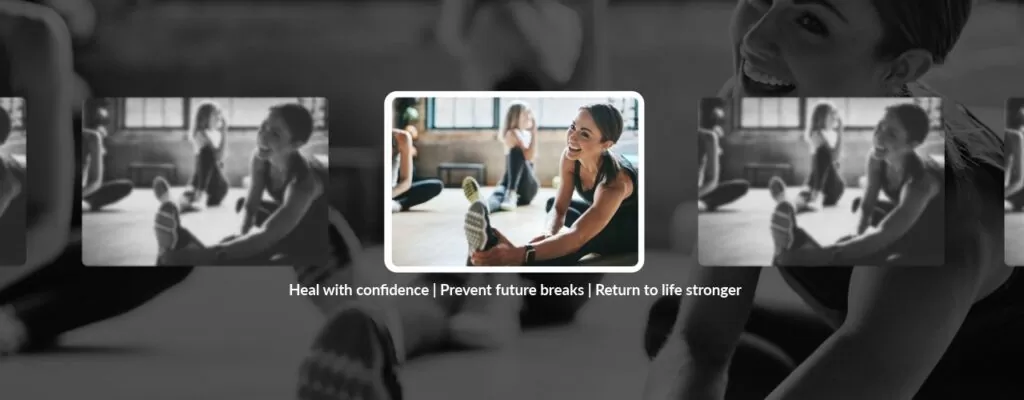
In sports, quick stops, high-impact collisions, or awkward landings can lead to injuries that go beyond bruises or sprains. Fractures (or broken bones) are one of the more serious injuries athletes may face. Whether it is a stress fracture from overtraining or a complete break caused by trauma, proper care and rehabilitation are essential for safe recovery and long-term performance. Understanding how to respond to broken bones and how to prevent them in the future is key for athletes of all levels.
Read full blogHow to Manage Sciatica Pain and Improve Mobility
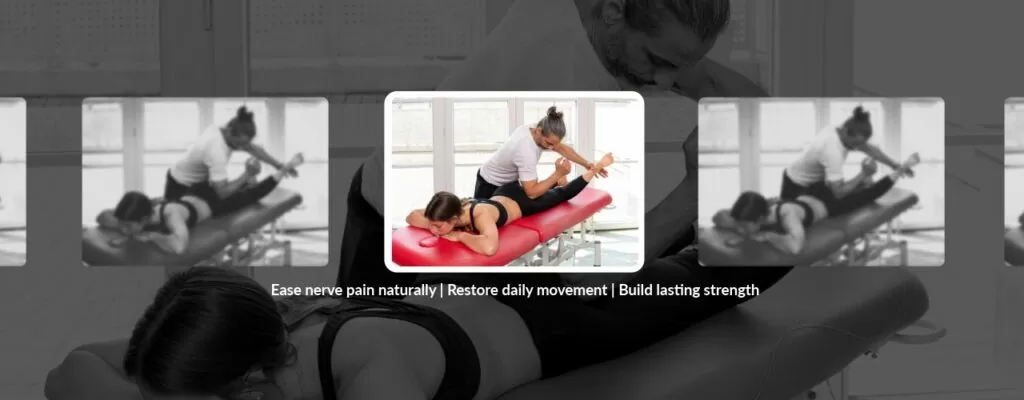
Sciatica pain can make daily tasks feel overwhelming, from sitting at a desk to getting out of bed. This condition is caused by irritation or compression of the sciatic nerve, which runs from the lower back through the hips, buttocks, and down the legs. People with sciatica often experience sharp, burning, or shooting pain on one side of the body, sometimes along with numbness or tingling.
While sciatica can be frustrating and persistent, it is highly manageable with the right approach.
Read full blogPreventing and Treating Rotator Cuff Injuries in Athletes
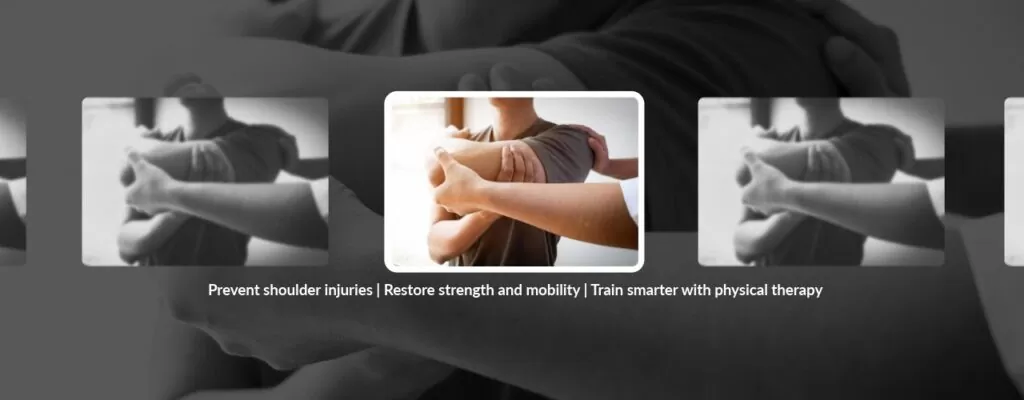
Rotator cuff injuries are among the most common shoulder issues seen in athletes, especially those who participate in overhead or throwing sports. The rotator cuff is made up of four muscles and tendons that stabilize the shoulder joint and allow for smooth, controlled motion. When overused, strained, or torn, these structures can cause pain, weakness, and reduced performance. Whether you are recovering from a strain or looking to avoid one in the future, there are specific steps you can take to manage and prevent an injury in your rotator cuff.
Read full blogHow to Stay Motivated During Post-Operative Rehab
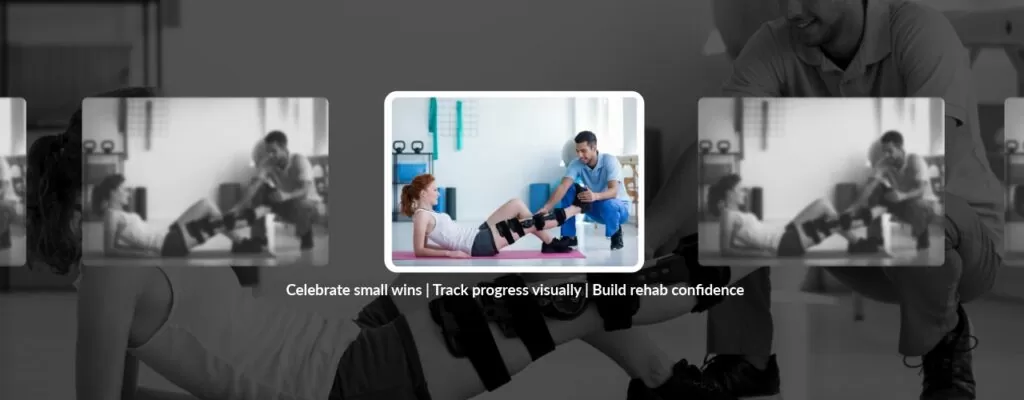
Surgery is only the first step in the journey to recovery. What follows is often more challenging: committing to rehabilitation day after day, even when progress feels slow. Many patients struggle to stay motivated during post-operative rehab, especially when pain, fatigue, or frustration take over. At , we help patients push through those moments with clear guidance, achievable goals, and consistent support.
This is Carolyn’s (not her real name) story.
Read full blogEffective Strategies for Chronic Back Pain Relief
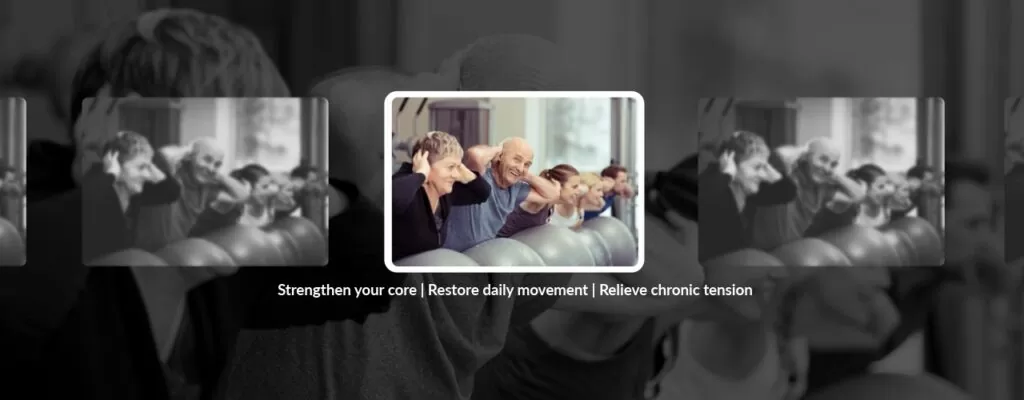
Chronic back pain is one of the most common reasons people seek medical care and miss work. Unlike sudden injuries, long-term back pain often results from ongoing movement imbalances, muscle weakness, or spinal conditions that worsen over time. Finding lasting back pain relief requires more than rest or over-the-counter medications. A focused, individualized plan that addresses the root causes can offer both comfort and improved function.
At , physical therapy offers a proven path to reduce discomfort and regain control over your movement.
Read full blogPain Management Techniques After a Hip Replacement
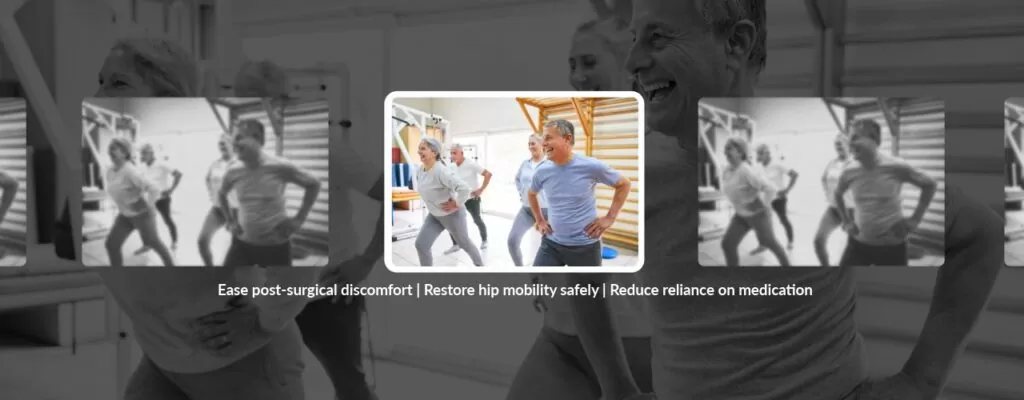
Recovering from hip replacement surgery involves more than healing the incision. Managing discomfort and restoring mobility are crucial for a successful outcome. Many patients experience swelling, stiffness, and soreness as they begin to move again. With the right support, pain management after hip replacement can be safe, effective, and medication-free. Physical therapy offers simple, evidence-based techniques that help patients regain comfort and function during every phase of recovery.
Post-operative pain may be expected, but ignoring it or relying only on medication can delay recovery.
Read full blogWhat is Tendinitis in Athletes and How to Avoid It
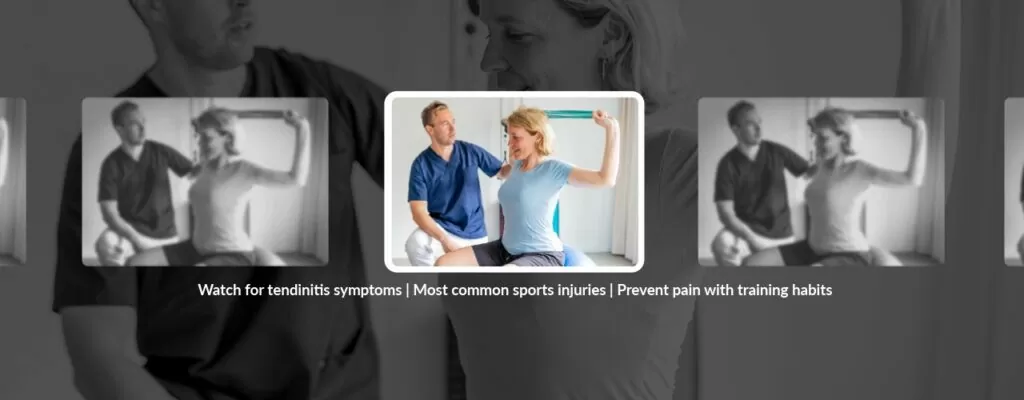
Tendinitis is a common overuse injury that affects athletes across all levels of play. Whether you run, lift, swim, or play court sports, you rely on your tendons to transfer force and maintain stability. When these tendons become irritated or inflamed, the result is pain, limited mobility, and reduced performance. Tendon injuries in athletes are often caused by repetitive motion, improper technique, or rapid increases in training intensity.
At , we help athletes recognize early signs of tendinitis, recover through targeted therapy, and implement strategies to prevent it from returning.
Read full blogWhy a Herniated Disc Could Be the Source of Your Back Pain
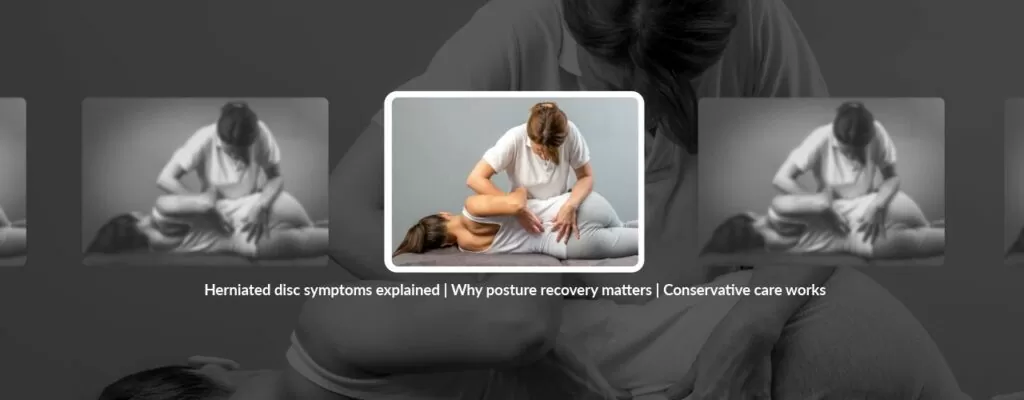
Back pain affects millions of people every year, and one common but often misunderstood cause is a herniated disc. If you feel sharp, shooting pain in your lower back, hips, or legs, you may be experiencing back pain from a herniated disc. While this condition can be alarming, it is manageable with the right treatment plan. Understanding how disc herniation happens and how physical therapy can help is the first step toward long-term relief.
Read full blog